Canvas vs Polyester Waterproof Performance: Which Fabric Really Keeps You Dry?
When it comes to choosing waterproof gear-- whether for an outdoor tents, a knapsack, a coat, or exterior furnishings covers-- the dispute between canvas and polyester is one that never quite goes away. Both products have enthusiastic supporters, and both included genuine toughness. But when waterproof performance is your key problem, the distinctions in between them matter more than many buyers realize. Below is an uncomplicated malfunction of exactly how each fabric holds up versus wetness.
Comprehending How Waterproofing Works in Textile
Prior to comparing the two products, it assists to comprehend that "waterproof" is not a solitary top quality-- it is a spectrum. Fabrics withstand water in different ways. Some rely upon a limited natural weave that swells when wet and literally obstructs water molecules. Others rely on chemical layers or laminate layers used during production. Canvas and polyester stand for these two really various viewpoints, and that difference shapes everything concerning exactly how they perform in real-world problems.
Canvas: Natural Resistance With a Proven Track Record
Canvas is commonly made from cotton, though contemporary versions usually blend cotton with artificial fibers for added resilience. Its waterproofing originates from a combination of the fabric's thick weave and treatments such as wax, oil, or specialized coatings like paraffin.
Just How Canvas Deals With Rainfall
Among canvas's most interesting buildings is that it ends up being more waterproof as it gets wet. Cotton fibers normally swell when they absorb dampness, tightening the weave and lowering the spaces through which water can pass. This self-sealing high quality gives canvas a special advantage in continual, heavy rainfall when it has been effectively conditioned and treated.
A well-waxed or oiled canvas outdoor tents or tarp can lose water efficiently for years. The product also takes a breath better than the majority of synthetic options, which assists regulate indoor condensation-- a significant advantage in camping applications where moisture accumulation inside a shelter can be just as troublesome as rainfall being available in from outdoors.
The Limitations of Canvas
The disadvantages are real, though. Unattended or improperly preserved canvas will certainly absorb water as opposed to repel it, becoming hefty and ultimately dripping. The wax or covering need to be reapplied periodically-- usually one or two times a year depending on usage-- or the waterproofing degrades significantly. Canvas is additionally significantly much heavier than polyester, which matters a large amount for hikers and tourists that lug their gear. It is likewise more susceptible to mold if saved while damp.
Polyester: Engineered Waterproofing on Demand
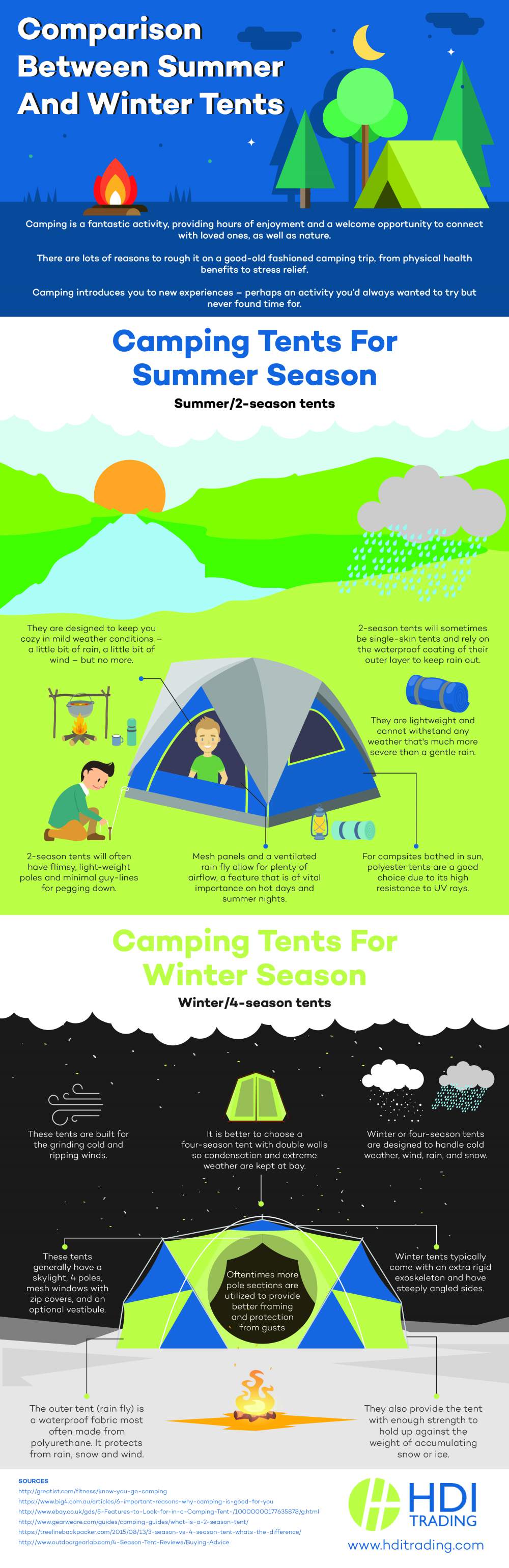
Polyester is a totally artificial material that does not absorb water whatsoever in its raw type. Its fibers are hydrophobic naturally, meaning water rests on the surface area as opposed to taking in. Most outside polyester items go an action further by integrating a DWR (Long Lasting Water Repellent) coating, a PU (polyurethane) coating, or a waterproof membrane laminated flooring to the textile.
How Polyester Deals With Rain
In other words, extreme rainfall occasions, polyester outperforms neglected canvas easily. The material dries out exceptionally promptly, adds very little weight also when damp, and maintains its shape and structure in many weather. Layered polyester made use of in quality rain equipment or outdoors tents can achieve impressive hydrostatic head ratings-- the measurement of how much water stress a fabric can resist before leaking-- often surpassing 1,500 mm and sometimes getting to 10,000 mm or even more in technical exterior applications.
Polyester is likewise extra foreseeable. Due to the fact that its waterproofing is crafted via sun shade finishing or lamination as opposed to natural fiber behavior, its performance is consistent across different conditions and does not depend on the individual preserving the therapy properly.
The Limitations of Polyester
Polyester's waterproofing is prone differently: the layers and treatments wear down with time. DWR finishes can shed effectiveness after duplicated cleaning and hefty usage, creating the fabric to wet out-- indicating it soaks up surface water and feels soaked even if the hidden membrane layer still technically avoids leak. Reapplication sprays and wash-in therapies can recover performance, but they need interest.
Polyester additionally takes a breath poorly in its covered type, which can make garments really feel clammy throughout high activity. In enclosed areas like camping tents, this lowered breathability can bring about condensation problems.
Side-by-Side: The Key Differences
Weight and Packability
Polyester wins decisively right here. It is lighter, loads down smaller sized, and does not come to be larger when wet. Canvas is far bulkier and can double in weight when waterlogged.
Long-Term Toughness
Canvas, when looked after, can last longer than polyester considerably. Quality waxed canvas products consistently last years. Polyester coatings and membranes deteriorate faster, particularly under UV direct exposure and hefty usage.
Upkeep
Canvas calls for normal re-treatment yet the procedure is straightforward and inexpensive. Polyester needs less frequent attention but is more sensitive to incorrect cleaning and storage space.
Which Should You Select?
If weight and packability are your concerns-- for backpacking, traveling, or lightweight hiking-- polyester is the useful choice. If you are investing in a long-term shelter, sturdy exterior cover, or functioning canvas bag that requires to do dependably in sustained wet conditions without seeming like a technological garment, canvas uses a toughness and personality that polyester just can not match. Neither material is widely superior. The best selection depends totally on exactly how you prepare to use it.